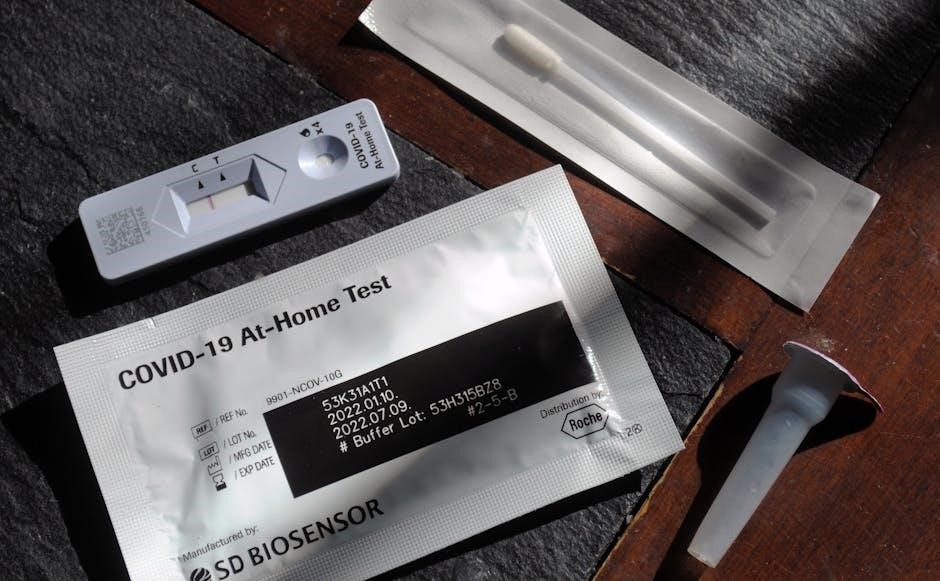
Understanding the IDEXX SNAP Parvo Test
The IDEXX SNAP Parvo test utilizes ELISA technology, a point-of-care diagnostic tool, for rapid antigen detection in canine samples, aiding in quick parvo diagnosis.
What is the SNAP Parvo Test?
The IDEXX SNAP Parvo test is a crucial diagnostic tool employed to swiftly identify the presence of canine parvovirus (CPV) antigen in dogs. It’s a point-of-care test, meaning it can be performed directly in a veterinary clinic, providing rapid results – typically within minutes. This speed is invaluable for prompt treatment decisions.
The test is designed to detect the virus in fecal samples, but research suggests potential utility with vomit and anal/rectal swabs for earlier detection. It’s widely used in shelter settings to quickly assess and isolate potentially infected animals, preventing outbreaks. The SNAP Parvo test is a cornerstone in managing suspected parvovirus cases, offering a convenient and efficient diagnostic pathway.
The Technology Behind the Test: ELISA
The SNAP Parvo test functions on the principle of Enzyme-Linked Immunosorbent Assay (ELISA). This immunological assay utilizes antibodies to detect the presence of specific antigens – in this case, the canine parvovirus antigen. A conjugate, comprising an enzyme-labeled antibody, forms an immune complex with the antigen if present in the sample.
This complex then interacts with matrix-bound antibodies, triggering an enzymatic reaction. This reaction produces a visible signal, indicating a positive result. ELISA’s sensitivity and specificity make it a reliable method for antigen detection. The SNAP test simplifies this complex process into a user-friendly, rapid diagnostic format for veterinary use.
How Does the SNAP Parvo Test Differ from PCR?
The SNAP Parvo test, an antigen-detection assay, differs significantly from Polymerase Chain Reaction (PCR) which detects viral genetic material. SNAP provides rapid, point-of-care results, typically within minutes, offering immediate guidance for isolation and treatment decisions. PCR, a molecular test, is more sensitive and can detect the virus even before antigen production.
However, PCR requires specialized equipment and laboratory expertise, resulting in a longer turnaround time. Studies comparing both methods show SNAP can be less sensitive, potentially yielding false negatives in early infection. PCR, like quantitative real-time PCR (qPCR), offers greater accuracy but isn’t always readily available.

Preparing for the SNAP Parvo Test
Successful testing requires collecting a fresh fecal sample or utilizing an anal/rectal swab, ensuring proper sample handling for accurate and reliable parvo detection.
Collecting a Fecal Sample
Obtaining a quality fecal sample is crucial for accurate SNAP Parvo test results. Ideally, collect a fresh sample – recent stool is preferred for optimal antigen detection. The sample doesn’t necessarily need to be diarrheal, as the virus can be shed even in formed feces during the early stages of infection.
Collect approximately 1-2 grams of fecal material. Avoid contamination with urine or environmental debris. Use a clean, non-absorbent container, like a plastic tube or zip-lock bag. Proper collection ensures sufficient viral antigen is present for reliable detection by the ELISA assay. Remember, a representative sample increases the likelihood of an accurate diagnosis.
Using a Swab for Sample Collection
When a fecal sample isn’t readily available, anal or rectal swabs offer a viable alternative for SNAP Parvo testing, particularly for early diagnosis. Utilize a swab specifically designed for sample collection, ensuring it’s clean and dry. Gently insert the swab into the rectum and rotate to collect material.
Vomit samples can also be used for early detection, though fecal samples remain the primary choice. Immediately place the swab into the provided buffer tube, mixing thoroughly to release the antigen. This method is especially useful when dealing with very young puppies or cases presenting with vomiting.
Importance of Fresh Samples
Obtaining fresh samples is crucial for accurate SNAP Parvo test results, as antigen levels can degrade over time, leading to false negatives. Ideally, testing should be performed immediately after collection. If immediate testing isn’t possible, properly store the fecal sample or swab in the provided buffer.
Refrigeration can help preserve the sample for a short period, but avoid freezing, as it can compromise antigen integrity. The reliability of the test hinges on detecting sufficient viral antigen, which diminishes as the sample ages. Prioritize prompt processing for dependable diagnostic outcomes.

Performing the SNAP Parvo Test: Step-by-Step Instructions
Collect a sample, mix with buffer, dispense five drops into the SNAP device’s well, and then “snap” the device to initiate the diagnostic process.
Positioning the SNAP Device
Ensuring accurate results with the IDEXX SNAP Parvo test begins with proper device positioning. It is crucial to place the SNAP device on a consistently horizontal surface throughout the entire testing procedure. This stable foundation prevents sample flow irregularities that could compromise the test’s accuracy.
Avoid inclined or uneven surfaces, as these can cause the sample to pool or flow incorrectly within the device. A flat, stable countertop or laboratory bench is ideal. Maintaining this horizontal orientation is paramount for the enzyme-linked immunosorbent assay (ELISA) to function as intended, allowing for proper immune complex formation and visualization of test lines.
Double-check the surface before dispensing the sample to guarantee a reliable reading.
Dispensing the Sample: 5 Drops
Accurate sample volume is critical for a reliable SNAP Parvo test result. Following device preparation, carefully dispense precisely 5 drops of the fluid sample into the designated sample well. Utilize the provided swab, effectively employing it as a pipette to ensure controlled delivery.
Consistency in drop size is important; avoid overfilling or underfilling the well. The ELISA reaction relies on the correct antigen-antibody ratio. Dispensing the correct volume facilitates optimal immune complex formation.
Take your time and focus on precision during this step, as it directly impacts the test’s ability to accurately detect parvovirus antigens.
Avoiding Splashing During Sample Application
Maintaining test integrity requires meticulous sample handling. When dispensing the five drops of fluid into the SNAP device’s sample well, exercise extreme caution to avoid any splashing outside the designated area. Splashing can compromise the test by contaminating the device and potentially leading to inaccurate results.
A steady hand and controlled delivery are essential. Dispense the sample slowly and deliberately, keeping the swab tip just above the well opening. Any extraneous fluid can interfere with the ELISA reaction and affect the clarity of the test lines.
Prioritize a clean and precise application for optimal test performance.
“Snapping” the Device
After carefully applying five drops of sample, the next crucial step is “snapping” the SNAP device. This action initiates the internal reaction within the test cassette, allowing for visualization of the results. To snap the device, firmly press down on the clear plastic cover until a distinct ‘snap’ is heard.
This ensures proper contact between the sample and the reagents within the device. Avoid excessive force, as this could damage the internal components. A complete snap is vital for accurate test reading; an incomplete snap may yield invalid results.
Proceed to result interpretation only after a confirmed snap.

Interpreting SNAP Parvo Test Results
Positive results indicate the presence of parvovirus antigen, while negative results suggest its absence; weak positives require careful consideration and potential retesting.
Understanding Positive Results
A positive result on the IDEXX SNAP Parvo test strongly suggests the dog is currently infected with parvovirus. This means the test detected viral antigens within the sample provided. However, it’s crucial to remember a positive result doesn’t necessarily pinpoint the stage of infection.
Further diagnostics, like a quantitative PCR test, can help determine viral load and assess the severity of the illness. Clinical signs, such as vomiting, diarrhea (often bloody), and lethargy, should be carefully evaluated alongside the test result. Supportive care, including fluid therapy and anti-emetics, is vital for managing a positive case. Isolation protocols are also essential to prevent further spread within a shelter or multi-dog household.
Understanding Negative Results
A negative result on the IDEXX SNAP Parvo test indicates that parvovirus antigen was not detected in the sample at the time of testing. This doesn’t definitively rule out infection, especially in very early stages or if the viral load is low.
False negatives can occur due to factors like recent vaccination, early infection (before significant antigen production), or improper sample collection. If clinical signs suggestive of parvo are present despite a negative SNAP test, retesting or utilizing a more sensitive test like quantitative PCR is recommended. Continued monitoring of the animal’s health is crucial, even with a negative result.
Interpreting Weak Positive Results
Weak positive results on the IDEXX SNAP Parvo test require careful consideration. A faint line suggests a low level of viral antigen, potentially indicating early infection, a resolving infection, or the presence of modified live vaccine virus.
Studies emphasize clarifying the interpretation of these results, as they aren’t always conclusive. Retesting within 24-48 hours with a fresh sample is highly recommended to assess for a strengthening signal. Consider supplementing with a more sensitive test like qPCR for definitive diagnosis, especially if clinical signs persist. Clinical context and patient history are vital when evaluating weak positives.

Factors Affecting Test Accuracy
False positives and negatives can occur, influenced by vaccination status, sample quality, and timing of the test, impacting the SNAP Parvo test’s reliability.
False Positives and Their Causes
False positive results with the SNAP Parvo test, while less common, can arise from several factors. Cross-reactivity with other antigens or antibodies present in the sample is a potential cause, though generally infrequent with this specific ELISA assay. Improper test procedure, such as contamination of the sample well or device, can also lead to inaccurate readings.
Furthermore, maternal antibodies present in very young puppies, transferred from the mother, might occasionally cause a weak positive result. It’s crucial to interpret such results cautiously, considering the puppy’s age and vaccination history. Always correlate SNAP test results with clinical signs and other diagnostic findings for a definitive diagnosis.
False Negatives and Their Causes
False negative results with the SNAP Parvo test are more frequently encountered than false positives, and several factors can contribute. The most common cause is testing too early in the course of infection, before sufficient viral antigen has been shed in the feces. Sample quality is also critical; dilute fecal samples or improper collection techniques can reduce antigen concentration.
Additionally, the presence of interfering substances in the sample, or a very low viral load, can hinder accurate detection. Prior vaccination, while offering protection, may also suppress antigen shedding, potentially leading to a false negative. Repeating the test after 24-48 hours, or utilizing a more sensitive test like PCR, is recommended if suspicion remains high.
Impact of Vaccination Status on Results
Canine parvovirus vaccination significantly influences SNAP Parvo test results. Vaccinated animals, even if exposed to the virus, may exhibit reduced viral shedding, potentially leading to false negative results. Vaccination doesn’t necessarily prevent infection, but it often modifies it, lessening the amount of antigen present in fecal samples.
Therefore, a negative SNAP test in a vaccinated puppy doesn’t definitively rule out exposure or infection. Clinical signs and repeat testing are crucial. Conversely, vaccination doesn’t cause false positive results; the test detects viral antigen, not antibodies produced by vaccination. Always consider vaccination history alongside test results for accurate interpretation.

Sample Types for Testing
Fecal samples are primary, but vomit and anal/rectal swabs can be utilized for early detection of canine parvovirus antigen, as demonstrated in studies.
Fecal Samples: The Primary Choice
Fecal samples remain the gold standard for utilizing the IDEXX SNAP Parvo test, offering the highest reliability in detecting the parvovirus antigen. Collection should prioritize fresh samples to ensure accurate results, as antigen levels can diminish over time.
When a fresh fecal sample is obtained, it’s crucial to mix it thoroughly with the provided buffer solution, ensuring a homogenous consistency. This mixing process aids in releasing the viral antigen, maximizing the test’s sensitivity. The subsequent step involves carefully dispensing five drops of this mixture into the designated sample well on the SNAP device, avoiding any splashing or contamination.
Proper fecal sample handling is paramount for minimizing false negatives and achieving a definitive diagnosis.
Vomit Samples: Potential for Early Detection
While fecal samples are preferred, vomit can serve as a viable alternative for early parvovirus detection using the IDEXX SNAP Parvo test, particularly before significant shedding occurs in feces. Studies suggest vomit samples may contain detectable viral antigen earlier in the course of infection.
When utilizing vomit, it’s essential to use freshly collected material, as antigen degradation can rapidly occur. Similar to fecal samples, the vomit should be thoroughly mixed with the provided buffer solution to ensure optimal antigen release and test sensitivity.
Carefully dispense five drops of the mixture into the SNAP device’s sample well, avoiding any splashing. Remember, vomit samples may yield lower antigen concentrations, potentially leading to false negatives.
Anal/Rectal Swabs: An Alternative Method
Anal or rectal swabs present another option for parvovirus antigen detection with the IDEXX SNAP Parvo test, especially when fecal samples are difficult to obtain or when seeking earlier diagnostic results. Research indicates these swabs can be effective, though potentially less sensitive than fecal samples.
Proper swab collection is crucial; ensure adequate material is gathered from the rectal mucosa. Immediately place the swab into the provided buffer tube and mix thoroughly to release the antigen.
Follow the standard SNAP Parvo procedure, dispensing five drops of the buffer-swab mixture into the sample well. Be aware that swab-based results may have a higher rate of false negatives compared to fecal testing.
Test Timing and Early Diagnosis
Early SNAP Parvo testing, utilizing vomit or swabs, can aid in prompt diagnosis, though fecal samples generally offer higher accuracy for reliable results.
When to Perform the Test
The SNAP Parvo test is most effectively performed when a canine patient presents with clinical signs suggestive of parvovirus infection; These signs commonly include lethargy, loss of appetite, fever, vomiting, and – crucially – severe, often bloody, diarrhea. Testing should ideally commence as soon as these symptoms are observed, particularly in puppies or unvaccinated dogs.
Early diagnosis is paramount for initiating appropriate supportive care and improving the patient’s prognosis. While the test can be utilized with various sample types, remember that prompt action and accurate results are key to successful treatment. Don’t delay testing if suspicion arises!
Using the Test for Early Detection of Parvo
The SNAP Parvo test offers a valuable tool for early detection, even before the onset of severe clinical signs. Utilizing vomit samples, alongside traditional fecal samples or anal/rectal swabs, can potentially identify the virus earlier in the course of infection. This is particularly useful in shelter settings or multi-dog households where rapid identification is critical to prevent outbreaks.
However, remember that early-stage samples may yield weaker positive results, necessitating careful interpretation. Combining SNAP testing with other diagnostic methods, like qPCR, can enhance diagnostic accuracy and facilitate timely intervention, improving patient outcomes.

Troubleshooting Common Issues
If no line appears, or results are invalid, repeat the test with a fresh sample and ensure proper procedure, following manufacturer’s instructions carefully.
No Line Appears
A complete absence of a line on the SNAP Parvo test indicates an invalid result, requiring immediate attention and re-evaluation. Several factors can contribute to this issue. First, ensure a sufficient sample volume – precisely five drops – was dispensed into the sample well.
Secondly, verify the sample was correctly collected and prepared, utilizing a fresh fecal sample or appropriate swab. Improper mixing with the buffer, or using a degraded sample, can hinder detection.
Finally, repeat the entire testing procedure with a new SNAP device and a fresh sample to rule out device malfunction or procedural errors. If the issue persists, consider alternative diagnostic methods.
Invalid Test Results

An invalid SNAP Parvo test result is indicated by the absence of both the control and test lines, or if the test line appears fainter than the control line. This signifies the test failed to function correctly and cannot be interpreted.
Common causes include insufficient sample volume, improper sample application (splashing or incorrect drop number), or a defective test device. Ensure precisely five drops are added to the sample well.
Always repeat the test with a new SNAP device and a fresh sample. If invalid results persist, explore alternative diagnostic methods like PCR for a definitive diagnosis.
Comparison with Other Diagnostic Methods
Compared to PCR and electron microscopy, the SNAP Parvo test offers rapid results, though PCR provides greater sensitivity for early or low-level infections.
SNAP Parvo vs. Electron Microscopy
Electron microscopy (EM) represents a traditional method for identifying parvovirus, directly visualizing viral particles within a sample. While highly specific, EM is considerably more time-consuming and requires specialized equipment and skilled personnel, making it less accessible for routine diagnostics.
Conversely, the SNAP Parvo test delivers results within minutes, offering a significant advantage in time-sensitive situations. However, EM generally boasts superior sensitivity, capable of detecting even minute viral loads that might be missed by the SNAP test, particularly in early stages of infection.
Therefore, SNAP Parvo serves as an excellent initial screening tool, while EM may be reserved for confirming ambiguous results or when a higher degree of certainty is required.
SNAP Parvo vs. Quantitative Real-Time PCR (qPCR)
Quantitative Real-Time PCR (qPCR) is a molecular test that detects parvovirus DNA, offering high sensitivity and the ability to quantify the viral load. This provides a more precise assessment of infection severity and can aid in monitoring treatment response.
Compared to the SNAP Parvo test, a point-of-care ELISA, qPCR is more sensitive, particularly in detecting low viral loads or during the early stages of infection. However, qPCR requires specialized laboratory equipment, trained personnel, and a longer turnaround time for results.
The SNAP test provides rapid, convenient results for initial screening, while qPCR serves as a confirmatory or more detailed diagnostic tool; Studies demonstrate varying correlation between SNAP and qPCR results.