
Romeo and Juliet Act 2: A Comprehensive Study Guide
Act 2 explores the blossoming romance, overcoming familial obstacles, and features iconic scenes like the balcony exchange—a pivotal, joyful, and romantic development․
Overview of Act 2
Act 2 marks a significant shift in Romeo and Juliet, transitioning from initial attraction to deeply felt love․ Despite the intense hatred between their families—the Montagues and Capulets—Romeo and Juliet pursue a clandestine relationship․ This act primarily focuses on their burgeoning romance, highlighted by the famous balcony scene, and the practical challenges they face in uniting․
Shakespeare dedicates this section to exploring the positive aspects of young love, even as foreshadowing hints at future tragedy․ Key events include Romeo’s daring climb into the Capulet orchard and the secret arrangement for marriage facilitated by Friar Laurence․
Thematic Focus: Love and Obstacles
Love’s triumph over adversity is central to Act 2, yet constantly shadowed by the pervasive family feud․ Romeo and Juliet’s passion intensifies, demonstrating love’s power, but their families’ hatred presents insurmountable obstacles․ The Chorus emphasizes the difficulty of their situation, acknowledging the barriers to their continued meetings․
Shakespeare explores how love can blossom even amidst conflict, while simultaneously highlighting the tragic consequences of societal divisions․ This act showcases both the joy of newfound romance and the looming threat of external forces․
Act 2 Prologue: Foreshadowing and Context
The Prologue swiftly recaps the escalating feud, establishing the context for Romeo and Juliet’s clandestine encounters․ It foreshadows the difficulties they will face, hinting at the tragic outcome despite their burgeoning love․ The Chorus directly states their love will struggle against the “ancient grudge,” creating dramatic irony․
This brief introduction sets a tone of impending doom, emphasizing the power of fate and the obstacles that will test the lovers’ devotion throughout the play’s progression․

Scene 1: The Orchard Wall
This scene unfolds immediately after Act I, outside the Capulet orchard, where Romeo risks everything to be near Juliet, defying family animosity․
Setting and Atmosphere
The orchard wall establishes a crucial setting, symbolizing the barriers—both physical and societal—separating Romeo and Juliet․ This space, bordering the Capulet estate, is shrouded in darkness, offering Romeo a clandestine opportunity to pursue his love․ The atmosphere is charged with both romance and danger, as he trespasses into enemy territory․
This juxtaposition of passion and peril heightens the dramatic tension, foreshadowing the tragic consequences of their forbidden love․ The garden itself represents a paradise lost, accessible only through risk and secrecy, emphasizing the obstacles they face․
Romeo’s Initial Soliloquy
Romeo’s soliloquy immediately after the orchard wall climb reveals his overwhelming infatuation with Juliet, eclipsing his previous affections for Rosaline․ He describes Juliet using radiant, celestial imagery—light overcoming darkness—emphasizing her captivating beauty and the transformative power of love․
This passionate declaration showcases Romeo’s impulsive nature and willingness to defy societal norms for his beloved․ The soliloquy establishes the intensity of his feelings and foreshadows his reckless pursuit of Juliet, despite the inherent dangers․
Mercutio and Benvolio’s Banter
Mercutio’s witty and bawdy humor sharply contrasts with Romeo’s romantic preoccupation, playfully mocking his sudden shift in affections․ Benvolio attempts to temper Mercutio’s excesses and reason with Romeo, highlighting the folly of his infatuation․
Their exchange serves as comic relief, yet also underscores the differing perspectives on love—Mercutio’s cynical view versus Romeo’s idealistic passion․ This banter foreshadows Mercutio’s tragic fate and emphasizes the play’s blend of comedy and tragedy․
The Significance of the Wall as a Barrier
The orchard wall physically embodies the feud between the Montagues and Capulets, representing the insurmountable obstacles to Romeo and Juliet’s love․ Romeo risks danger by trespassing, symbolizing his willingness to defy societal constraints for Juliet․
This barrier also highlights the lovers’ isolation and the secrecy required for their relationship to flourish․ Climbing the wall signifies Romeo’s desperate attempt to overcome the hatred dividing their families, foreshadowing the tragic consequences of their forbidden love․
Scene 2: The Balcony Scene
This famous scene showcases Juliet’s lament and Romeo’s response, solidifying their mutual love despite familial conflict, often staged with Juliet on a balcony․
The Famous Balcony Setting
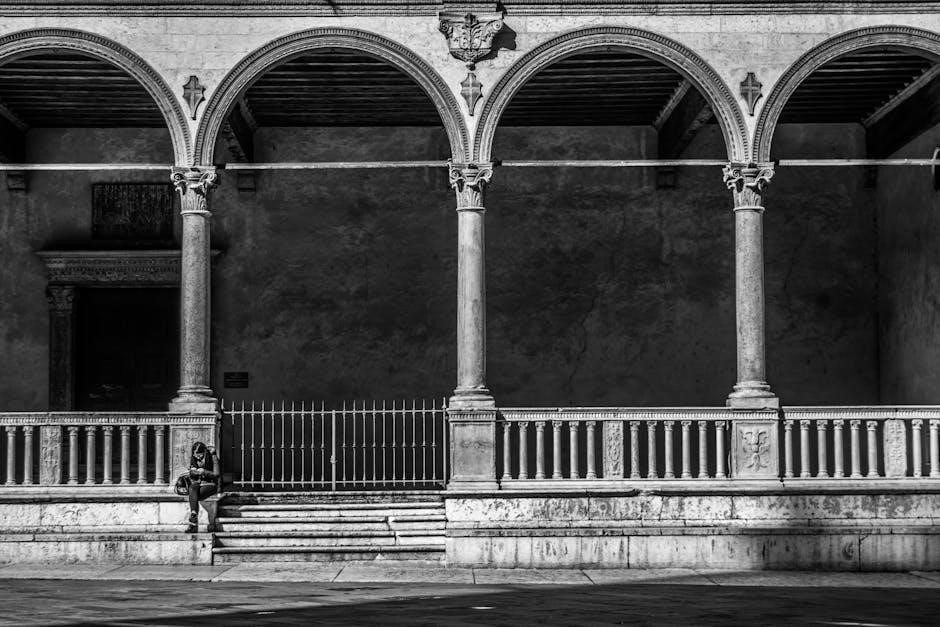
The orchard wall and Juliet’s balcony are central to this iconic scene, representing both a physical and metaphorical divide between the lovers and their feuding families․ This setting allows for a private, yet exposed, declaration of love․ Often staged dramatically, the balcony emphasizes Juliet’s elevated status and Romeo’s daring intrusion into Capulet territory․ The darkness surrounding the scene heightens the secrecy and romance, while the potential for discovery adds tension․ It’s a space where societal constraints are momentarily suspended, enabling their passionate exchange and vows․
Juliet’s Soliloquy: Expressing Her Love
Juliet’s famous soliloquy, beginning with “O Romeo, Romeo! Wherefore art thou Romeo?” isn’t a lament about Romeo’s physical location, but a questioning of his identity as a Montague—her family’s enemy․ She passionately expresses her love, wishing he could renounce his name․ This reveals her internal conflict and willingness to defy societal expectations for love․ Her words demonstrate a burgeoning maturity and agency, as she actively contemplates overcoming the obstacles to their relationship, foreshadowing her later actions․
Romeo’s Response and Revelation of Identity
Initially hidden, Romeo responds to Juliet’s heartfelt confession, revealing his identity as a Montague—the very name she despises․ This dramatic revelation heightens the tension and underscores the seemingly insurmountable barrier between them․ Despite the danger, Romeo professes his love, dismissing the significance of names and family feuds․ His willingness to openly declare his feelings demonstrates a boldness fueled by his intense passion, marking a crucial turning point in their relationship․
The Exchange of Vows and Promises
Driven by newfound love, Romeo and Juliet impulsively exchange vows, promising eternal devotion despite their families’ animosity․ They hastily plan a secret marriage, relying on Friar Laurence to facilitate their union․ These promises, made under the cloak of darkness, are both passionate and precarious, foreshadowing the tragic consequences of their hasty decisions․ Their commitment signifies a rebellion against societal expectations and a desperate hope for a future together․
The Role of Light and Darkness Imagery
Shakespeare masterfully employs light and darkness imagery throughout Act 2, symbolizing the lovers’ contrasting worlds․ Juliet is often associated with the sun, representing purity and beauty, while darkness embodies secrecy and forbidden love․ Romeo emerges from the darkness to find Juliet, highlighting their clandestine romance․ This duality underscores the obstacles they face and the inherent danger of their passionate connection, creating dramatic tension․

Scene 3: Friar Laurence’s Cell
Friar Laurence, a confidant, cautiously agrees to marry Romeo and Juliet, hoping their union will reconcile the feuding families and bring peace․
Friar Laurence’s Character and Philosophy
Friar Laurence embodies wisdom and practicality, serving as a crucial confidant to Romeo․ He’s a Franciscan friar who values peace and believes in the power of reconciliation․ His philosophical approach centers on finding good within all things, even amidst the intense Montague-Capulet feud․
He sees the potential for Romeo and Juliet’s marriage to end the longstanding hatred, though he also expresses concern over the hasty nature of their love; Laurence’s character provides a moral compass and a voice of reason within the play’s escalating drama, hoping for a peaceful resolution․
Romeo’s Request and Friar Laurence’s Hesitation
Romeo urgently requests Friar Laurence to secretly marry him to Juliet, driven by his passionate and newfound love․ However, the Friar initially hesitates, recognizing the precariousness of the situation given the families’ bitter animosity․ He fears the union is too rushed and fueled by mere infatuation, potentially leading to disaster․
Despite his reservations, Laurence ultimately agrees, hoping the marriage might bridge the divide between the Montagues and Capulets, believing love could conquer hate, though cautiously optimistic․
The Friar’s Hope for Reconciliation
Friar Laurence harbors a profound hope that Romeo and Juliet’s marriage will serve as a catalyst for ending the longstanding feud between the Montagues and Capulets․ He believes their union, blessed by love, could gradually dissolve the hatred consuming Verona, fostering peace and harmony within the city․
This optimistic vision motivates his decision to secretly wed the couple, viewing it as a divine opportunity to transform animosity into reconciliation, though acknowledging the inherent risks involved․
The Agreement to Marry Romeo and Juliet
Friar Laurence, after initial hesitation regarding the speed of their affections, ultimately agrees to marry Romeo and Juliet, driven by the hope that their union might quell the bitter feud plaguing Verona․ He sees a potential for peace stemming from this alliance between the warring families․
The agreement is made in secret, emphasizing the clandestine nature of their love and the risks they undertake, setting the stage for future complications and dramatic irony․
Scene 4: Mercutio, Benvolio, and the Nurse
This scene showcases Mercutio’s bawdy humor, Benvolio’s reason, and the Nurse’s crucial role as a messenger, building tension and impatience for news․
The Nurse’s Role as a Messenger
The Nurse functions as a vital link between the star-crossed lovers, relaying messages with a blend of practicality and garrulousness․ Her lengthy responses and digressions create comedic relief, yet her core purpose is to facilitate communication․ She carries Juliet’s replies to Romeo, becoming instrumental in arranging their secret marriage;
Her loyalty to Juliet is evident, though often expressed through lengthy, rambling narratives․ This scene highlights her importance, bridging the gap between the feuding families and enabling the progression of the clandestine romance․
Mercutio’s Witty and Bawdy Humor
Mercutio provides a stark contrast to Romeo’s romantic intensity with his quick wit and often crude jokes․ His humor, frequently bawdy and playful, serves as a defense mechanism against the seriousness of the feud and love․ He teases Romeo relentlessly about his infatuation, displaying a cynical view of romantic ideals․
This comedic relief underscores the play’s tragic undertones, highlighting the absurdity of the Montague-Capulet conflict and foreshadowing the impending doom․
Benvolio’s Attempts at Reason
Benvolio consistently embodies reason and attempts to moderate the escalating passions around him․ He tries to dissuade Romeo from dwelling on Rosaline and later expresses concern over the hasty nature of Romeo’s affections for Juliet․ His pragmatic approach offers a counterpoint to the impulsive behavior of both Romeo and Mercutio․
Benvolio’s efforts, though well-intentioned, prove largely ineffective against the overwhelming force of love and fate, highlighting the play’s tragic trajectory․
The Growing Tension and Impatience
As the act progresses, a palpable tension builds, fueled by the secrecy surrounding Romeo and Juliet’s burgeoning relationship․ Mercutio’s playful taunts and Benvolio’s cautious observations contrast with the Nurse’s increasingly frantic attempts to relay messages․
Romeo’s eagerness for news and Juliet’s anxious anticipation contribute to a mounting sense of urgency, foreshadowing the potential for disastrous consequences should their plans be discovered․

Scene 5: Preparations for the Marriage
This scene details the Nurse delivering Juliet’s message to Romeo, sparking joyful anticipation, yet Friar Laurence voices concerns about the hasty marriage arrangement․
The Nurse’s Delivery of Juliet’s Message
The Nurse serves as the crucial link between the lovers, painstakingly relaying Juliet’s response to Romeo after their clandestine exchange․ Her journey is filled with playful teasing and deliberate delay, building suspense for the eager Romeo․
She recounts the details of Juliet’s affections, confirming her reciprocal love and willingness to marry him․ This pivotal moment fuels Romeo’s joy and sets in motion the secret plans for their union, orchestrated by Friar Laurence․ The Nurse’s role is vital in facilitating this forbidden romance․
Romeo’s Joyful Anticipation
Upon receiving news of Juliet’s affections via the Nurse, Romeo is consumed with elation and eager anticipation․ His previous despair transforms into boundless happiness, fueled by the promise of a secret marriage․ He impatiently awaits further details regarding the wedding arrangements, demonstrating a youthful exuberance․
This joy is tempered by the inherent risks of their forbidden love, yet Romeo remains optimistic, fully embracing the prospect of uniting with Juliet despite the dangers posed by their feuding families․
Friar Laurence’s Concerns about Haste
Despite agreeing to marry Romeo and Juliet, Friar Laurence expresses significant reservations about the speed at which their relationship is progressing․ He cautions Romeo against acting solely on passionate desire, fearing that such hasty decisions often lead to unfortunate consequences and instability․
The Friar hopes this marriage will reconcile the families, but worries the swiftness could undermine this goal, suggesting a more deliberate approach would be wiser․
The Secret Marriage Arrangement
Friar Laurence agrees to secretly marry Romeo and Juliet, believing their union might end the longstanding feud between the Montagues and Capulets․ This clandestine ceremony is conducted with utmost discretion, known only to the couple and the Friar himself, emphasizing the perilous nature of their love․
The secrecy underscores the obstacles they face and foreshadows potential complications arising from their families’ animosity, adding dramatic tension to the unfolding events․
Scene 6: The Marriage Ceremony
This scene depicts a hushed, secret union blessed by Friar Laurence, filled with hope for peace, yet shadowed by dramatic irony due to the family feud․
The Secrecy of the Ceremony
The marriage between Romeo and Juliet is conducted in utmost secrecy, confined to Friar Laurence’s cell and attended by only the couple and the Friar himself․ This clandestine nature underscores the perilous context of their love, born amidst the bitter, longstanding feud between their families․
Shakespeare emphasizes this secrecy to heighten the dramatic tension and foreshadow potential consequences․ The hidden ceremony symbolizes their defiance against societal expectations and the inherent risks they undertake for their forbidden affection, creating a sense of anticipation and dread․
Friar Laurence’s Blessing
Friar Laurence, despite initial reservations about the haste of the marriage, ultimately bestows a blessing upon Romeo and Juliet, hoping their union might serve as a catalyst for reconciliation between the warring Montague and Capulet families․ He views their love as a potential remedy to the city’s unrest, a beacon of peace amidst the pervasive hatred․
However, his blessing is tempered with caution, recognizing the fragility of their situation and the potential for disaster should their secret be revealed, foreshadowing the tragic events to unfold․
The Hope for a Peaceful Resolution
Friar Laurence harbors a profound hope that Romeo and Juliet’s marriage will ultimately bridge the chasm between the feuding Montague and Capulet households․ He believes their union, born of love, possesses the power to transform animosity into harmony, offering Verona a chance at lasting peace․
This optimistic vision fuels his willingness to secretly wed the couple, despite the inherent risks, believing love’s strength can overcome generations of hatred and violence․
The Dramatic Irony of the Situation
Throughout Act 2, Shakespeare masterfully employs dramatic irony, where the audience is privy to information the characters are not․ We know Romeo and Juliet are secretly married, yet their families remain locked in conflict, unaware of the bond forged in secret․
This creates intense suspense, as the audience anticipates the inevitable tragedy stemming from the families’ ignorance, heightening the emotional impact of their doomed romance․

Key Characters in Act 2
Central figures—Romeo and Juliet—experience significant development, while Friar Laurence acts as a confidant, and the Nurse provides loyalty and practicality․
Romeo: Development of Character
Throughout Act 2, Romeo transitions from infatuation to a deeply committed love for Juliet, demonstrating a remarkable maturation․ He risks everything—defying his family and social norms—driven by his passion․
His initial poetic expressions evolve into earnest vows and a willingness to embrace marriage, showcasing a newfound agency and determination․ Romeo’s character arc in this act highlights his impulsive nature alongside a genuine capacity for profound affection, setting the stage for future conflicts․
Juliet: Maturation and Agency
In Act 2, Juliet undergoes a significant transformation, evolving from a naive young girl into a woman capable of decisive action and profound emotional depth․ Her famous soliloquy reveals a willingness to defy societal expectations and embrace her feelings for Romeo, despite the familial feud․
Juliet actively participates in planning the marriage, demonstrating a newfound agency and maturity․ She’s no longer passive, but a driving force in her own destiny, showcasing remarkable courage and resolve․
Friar Laurence: Role as a Confidant
Friar Laurence serves as a crucial confidant to Romeo, offering guidance and a discreet space for him to share his passionate desires․ Initially hesitant, the Friar ultimately agrees to marry Romeo and Juliet, hoping their union might reconcile the warring families—a testament to his peaceful intentions․
He embodies wisdom and practicality, yet his actions contribute to the play’s tragic trajectory, highlighting the complexities of his role and the weight of his decisions․
The Nurse: Loyalty and Practicality
The Nurse functions as Juliet’s primary caretaker and confidante, displaying unwavering loyalty and a down-to-earth perspective․ She acts as a vital messenger between Romeo and Juliet, facilitating their secret communication and fueling the burgeoning romance with her pragmatic, often bawdy, humor․
Her role showcases a blend of maternal affection and realistic understanding, contrasting with Juliet’s idealistic view of love․
Literary Devices in Act 2
Shakespeare masterfully employs soliloquies, vivid imagery—particularly light and darkness—and foreshadowing to build dramatic tension and reveal characters’ innermost thoughts and feelings․
Soliloquies: Revealing Inner Thoughts
Soliloquies in Act 2 are crucial for understanding the characters’ private emotions․ Juliet’s famous lament, questioning Romeo’s identity, exposes her internal conflict and passionate love․ Romeo’s soliloquy before approaching Juliet reveals his adoration and willingness to risk everything for her․
These introspective speeches allow the audience direct access to their innermost thoughts, bypassing social constraints and offering profound insight into their motivations and the intensity of their burgeoning romance․ They are pivotal for character development․
Imagery: Light, Darkness, and Nature
Shakespeare masterfully employs imagery of light and darkness in Act 2, symbolizing love and secrecy․ Juliet is often associated with light – a radiant sun – while the night represents the forbidden nature of their romance․ Natural imagery, like flowers and birds, underscores the freshness and vitality of their love․
This contrast highlights the obstacles they face and the beauty they find within their clandestine relationship, enriching the play’s poetic language and thematic depth․
Foreshadowing: Hints of Future Tragedy
Despite the joy of Act 2, Shakespeare subtly foreshadows the impending tragedy․ The Prologue explicitly states their love is doomed due to the family feud, creating dramatic irony․ References to fate and stars hint at a predetermined, unhappy ending․
Romeo and Juliet’s hasty marriage and the secrecy surrounding it also serve as ominous signs, suggesting their happiness is fragile and unsustainable, building suspense for the audience․
Dramatic Irony: Audience Awareness
Throughout Act 2, Shakespeare masterfully employs dramatic irony, where the audience knows more than the characters․ We are aware of the lovers’ doomed fate from the Prologue, while they embrace hopeful promises․
The secret marriage, celebrated with optimism by Friar Laurence, is ironically shadowed by the ongoing feud․ This disparity between knowledge heightens tension and emphasizes the tragic inevitability of their story, creating a poignant viewing experience․

Important Quotes from Act 2
Key lines reveal passionate declarations, like Juliet’s famous questioning of Romeo’s identity, and Friar Laurence’s cautions about the dangers of hasty, overwhelming passion․
Juliet’s “O Romeo, Romeo! Wherefore art thou Romeo?”
This iconic soliloquy isn’t about Romeo’s physical location, but a lament over his family name – Montague․ Juliet expresses her despair that a mere name creates an insurmountable barrier to their love․ She wishes he could renounce his name, or she hers, to erase the conflict․
The quote encapsulates the central conflict of the play: the destructive power of the feud․ Juliet’s passionate plea highlights her willingness to defy societal expectations for love, foreshadowing the tragic consequences of their forbidden romance and demonstrating her agency․
Romeo’s Response to Juliet’s Declaration
Initially hidden, Romeo reveals himself, responding to Juliet’s heartfelt words with equal passion․ He dismisses the significance of names, asserting his love transcends familial boundaries․ Romeo acknowledges the danger of their situation, yet willingly risks everything for Juliet’s affection․
His response demonstrates a maturity beyond his years, prioritizing love over loyalty to his family․ This exchange solidifies their mutual devotion and sets the stage for their secret marriage, despite the looming threat of discovery and the consequences of their families’ hatred․
Friar Laurence’s Warning about Passion
Friar Laurence cautions Romeo against the impulsiveness of his sudden love, recognizing the volatility of youthful passion․ He advises moderation, fearing Romeo’s affections may shift as quickly as they’ve ignited․ The Friar hopes this union will end the family feud, yet worries about the haste of their decision․
He stresses that true love is not merely physical attraction, but a measured and enduring commitment․ This warning foreshadows the tragic consequences stemming from their rushed actions and highlights the dangers of unchecked emotion․
The Nurse’s Practical Advice
The Nurse, a grounding force, offers Juliet pragmatic counsel, acknowledging Romeo’s virtues while urging caution․ She recognizes the societal barriers and family animosity hindering their relationship․ Her advice, though sometimes rambling and laced with bawdy humor, stems from a desire to protect Juliet․
She suggests Juliet consider whether Romeo truly intends marriage, emphasizing the importance of a secure future․ This realistic perspective contrasts with Juliet’s idealistic fervor, providing a necessary dose of practicality amidst the whirlwind romance․